Soy Milk vs. Cow's Milk and Oral Health
Posted on 11/3/2025 by Jerome Riddle DDS Office |
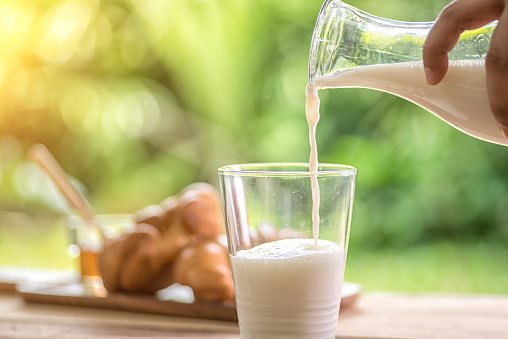 Let's explore how different kinds of milk can impact your teeth and gums. We'll compare cow's milk and soy milk and see how each affects your overall oral care routine. Understanding these differences can help you make smart choices for a healthy smile and is an important aspect of prevention dentistry. Let's explore how different kinds of milk can impact your teeth and gums. We'll compare cow's milk and soy milk and see how each affects your overall oral care routine. Understanding these differences can help you make smart choices for a healthy smile and is an important aspect of prevention dentistry.
Nutritional Value Breakdown
Cow's milk is known for its calcium, vitamin D, and protein. Calcium is super important for strong teeth and bones. Vitamin D helps your body absorb that calcium. Protein helps build and repair tissues, including those in your mouth.
Soy milk, on the other hand, is a plant-based alternative made from soybeans. It's often fortified with calcium and vitamin D to match the levels found in cow's milk. It's also a good source of protein, although the type of protein differs from that in cow's milk. A key advantage for some is that soy milk is naturally lactose-free, making it a suitable option for those with lactose intolerance.
The Sugar Factor
One thing to watch out for is added sugar. Some brands of both cow's milk and soy milk add sugar to improve the taste. Sugar feeds the bacteria in your mouth, which can lead to cavities. Always check the nutrition label and choose unsweetened varieties whenever possible. The less sugar, the better for your teeth!
Acidity Levels
The pH level, or acidity, of what you eat and drink matters. Acid can weaken tooth enamel, making it more vulnerable to decay. Generally, cow's milk is less acidic than some varieties of soy milk. However, the acidity levels can vary depending on the brand and how the soy milk is processed. Again, reading labels is key.
Calcium Absorption
Calcium is vital for strong teeth. Both cow's milk and fortified soy milk can be good sources of calcium. However, the way your body absorbs calcium can be affected by other factors, like the presence of certain compounds in foods. Vitamin D helps boost calcium absorption, so make sure you're getting enough of that vitamin, whether from milk, supplements, or sunlight.
Practical Tips for a Healthy Smile
Regardless of whether you choose cow's milk or soy milk, here are some tips to keep your smile bright:
| • |
Brush your teeth at least twice a day with fluoride toothpaste. |
| • |
Floss daily to remove plaque and food particles from between your teeth. |
| • |
Limit sugary snacks and drinks. |
| • |
Drink plenty of water throughout the day to help wash away food debris and keep your mouth hydrated. |
| • |
Visit your dentist regularly for checkups and cleanings. These visits are essential for prevention dentistry. |
Making the Right Choice
Ultimately, the best type of milk for you depends on your individual needs and preferences. Consider your dietary restrictions, taste preferences, and overall health goals. Both cow's milk and soy milk can be part of a healthy diet and a good oral care routine. The most important thing is to be mindful of sugar content, acidity levels, and calcium intake. Talk to your dentist or doctor if you have any questions or concerns about your diet and its impact on your oral health.
|
|