Dental Implant Dentures and Your Diet
Posted on 12/1/2025 by Jerome Riddle DDS Office |
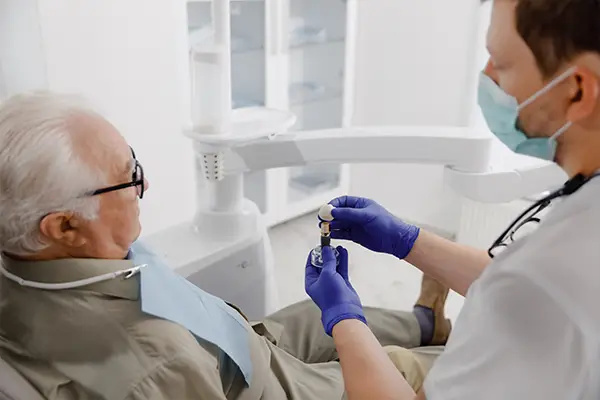 Missing teeth can really throw a wrench into enjoying your favorite foods. When you're struggling to chew, it impacts not only your enjoyment of meals but also your overall nutrition. Traditional dentures can help, but they sometimes slip or make it difficult to eat certain things. That's where dental implant dentures come in – they offer a more stable and secure solution that can significantly improve your eating experience. Let's explore how these dentures can affect what you eat and how to make the most of your diet. Missing teeth can really throw a wrench into enjoying your favorite foods. When you're struggling to chew, it impacts not only your enjoyment of meals but also your overall nutrition. Traditional dentures can help, but they sometimes slip or make it difficult to eat certain things. That's where dental implant dentures come in – they offer a more stable and secure solution that can significantly improve your eating experience. Let's explore how these dentures can affect what you eat and how to make the most of your diet.
What are Dental Implant Dentures?
Think of dental implant dentures as dentures that are anchored in place. Instead of just resting on your gums, they're attached to dental implants, which are small titanium posts surgically placed in your jawbone. These implants act like artificial tooth roots, providing a strong and stable foundation for your dentures. This means less slipping, better chewing power, and a more natural feel.
The Dietary Benefits
One of the biggest advantages of dental implant dentures is that they allow you to eat a wider variety of foods. With traditional dentures, many people struggle with foods that are hard, chewy, or sticky. Because implant dentures are so secure, you can often enjoy these foods again. This opens up a whole new world of culinary possibilities and makes it easier to maintain a balanced diet.
Here are some specific ways dental implant dentures can improve your diet:
| • |
Improved Chewing Efficiency: The stability of implant dentures allows you to chew more effectively, which helps with digestion. Proper chewing breaks down food into smaller particles, making it easier for your body to absorb nutrients. |
| • |
Increased Food Choices: You may find that you can once again enjoy foods that you previously avoided, such as fresh fruits and vegetables, lean meats, and nuts. These foods are important for overall health and provide essential vitamins, minerals, and fiber. |
| • |
Better Nutrition: When you can eat a wider variety of foods, you're more likely to get the nutrients your body needs. This can lead to improved energy levels, a stronger immune system, and a reduced risk of chronic diseases. |
Tips for Eating with Dental Implant Dentures
While dental implant dentures offer significant improvements, it's still important to take some precautions when eating. Here are a few tips to help you adjust and maximize your dietary experience:
| • |
Start Slow: When you first get your implant dentures, start with softer foods and gradually introduce more challenging textures as you become more comfortable. |
| • |
Cut Food into Smaller Pieces: This makes it easier to chew and reduces the strain on your dentures. |
| • |
Chew Evenly: Distribute food evenly on both sides of your mouth to maintain balance and prevent excessive pressure on one side. |
| • |
Avoid Extremely Hard or Sticky Foods: While implant dentures are strong, it's still wise to avoid foods that could potentially damage them. Things like very hard candies or extremely sticky caramels should be eaten with caution, if at all. |
| • |
Stay Hydrated: Drinking plenty of water helps keep your mouth moist, which is important for both comfort and digestion. |
Maintaining Oral Health
Just like with natural teeth, it's crucial to maintain good oral hygiene when you have dental implant dentures. Brush your dentures daily with a soft-bristled brush and denture cleaner. Clean around the implant abutments (the parts that connect the dentures to the implants) carefully. Regular check-ups with your dentist are also essential to ensure the implants and dentures are in good condition and to address any potential issues early on.
|
|