Dangers Associated with Not Replacing Missing Teeth
Posted on 12/15/2025 by Jerome Riddle DDS Office
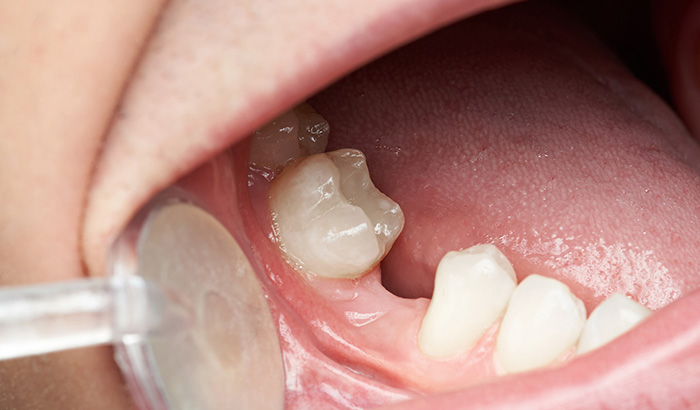
Having missing teeth can affect more than just your smile. It can impact your overall health and quality of life. Think of your teeth as teammates working together. When one is gone, the whole team suffers. Let's explore the potential problems that can arise when missing teeth aren't replaced.
# Shifting Teeth and Bite Problems
Your teeth are designed to support each other. When you lose a tooth, the teeth next to the gap will naturally start to shift or drift into the empty space. This can cause a chain reaction, leading to crooked teeth and a misaligned bite. A misaligned bite can make it difficult to chew properly, and can also lead to jaw pain, headaches, and even temporomandibular joint (TMJ) disorders. Think of it like dominoes falling – one missing tooth can trigger a cascade of problems.
# Difficulty Chewing and Nutritional Deficiencies
Missing teeth can make it challenging to properly chew your food. You might find yourself avoiding certain foods that are difficult to manage, like crunchy vegetables or tough meats. Over time, this can lead to a limited diet and potential nutritional deficiencies. Proper chewing is essential for breaking down food and absorbing nutrients, so missing teeth can have a significant impact on your overall health.
# Bone Loss in the Jaw
When a tooth is lost, the bone that once supported it begins to deteriorate. This is because the tooth's root no longer stimulates the bone. Over time, this bone loss can affect the stability of adjacent teeth and even change the shape of your face, leading to a sunken-in appearance. This bone loss can also complicate future options for tooth replacement, sometimes requiring bone grafting procedures to rebuild the lost bone.
# Increased Risk of Gum Disease and Tooth Decay
The gaps created by missing teeth can become traps for food particles and bacteria. These areas are often difficult to clean effectively, increasing the risk of gum disease (gingivitis and periodontitis) and tooth decay. Gum disease is a serious infection that can damage the soft tissues and bone that support your teeth. If left untreated, it can lead to further tooth loss and even systemic health problems, such as heart disease and diabetes. Maintaining excellent oral care is key to keeping your gums healthy.
# Speech Problems
Depending on the location of the missing teeth, you may experience difficulty speaking clearly. Certain sounds require specific tongue placements against the teeth. Missing teeth can interfere with these movements, leading to a lisp or other speech impediments.
# Options for Replacing Missing Teeth
Fortunately, there are several excellent options available in restoration dentistry to replace missing teeth and restore your smile and function. These include dental implants, bridges, and dentures. Each option has its own advantages and disadvantages, and the best choice for you will depend on your individual needs and circumstances. Discussing these options with your dentist is the best way to determine the most appropriate solution for your situation.
Replacing missing teeth is an investment in your overall health and well-being. It can improve your chewing ability, protect your remaining teeth, prevent bone loss, and enhance your appearance. Don't let missing teeth compromise your quality of life.


 Having missing teeth can affect more than just your smile. It can impact your overall health and quality of life. Think of your teeth as teammates working together. When one is gone, the whole team suffers. Let's explore the potential problems that can arise when missing teeth aren't replaced.