Root Canals
Phoenix & North Scottsdale
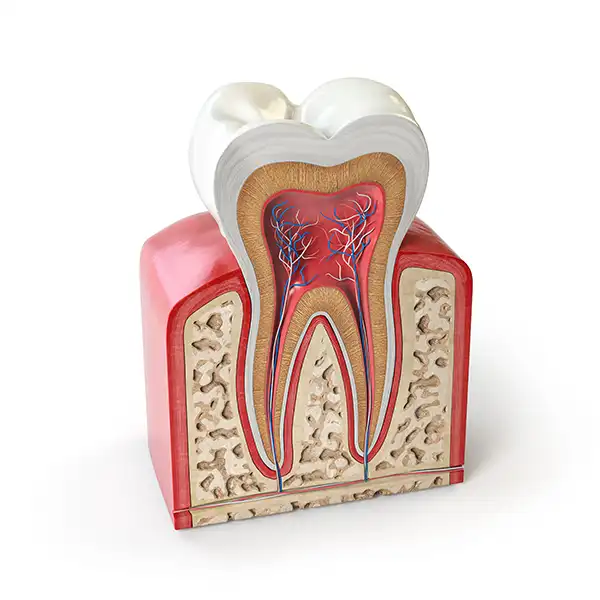 Tooth pain can affect far more than your smile—it can disrupt sleep, concentration, and confidence in social or professional settings. Root canal treatment is a conservative, widely performed procedure that removes infection while preserving your natural tooth. At Jerome Riddle DDS, our dental team provides comfortable, carefully planned root canal therapy for patients throughout Phoenix and North Scottsdale, addressing both clinical needs and common patient concerns. Tooth pain can affect far more than your smile—it can disrupt sleep, concentration, and confidence in social or professional settings. Root canal treatment is a conservative, widely performed procedure that removes infection while preserving your natural tooth. At Jerome Riddle DDS, our dental team provides comfortable, carefully planned root canal therapy for patients throughout Phoenix and North Scottsdale, addressing both clinical needs and common patient concerns.
JUMP TO A SECTION ON THIS PAGE:
What Is a Root Canal and Will Anyone Know I Had One?
A root canal treats infection inside the tooth by removing inflamed pulp, disinfecting the canals, and sealing the tooth to prevent reinfection. From the outside, the tooth looks completely natural—especially once a crown is placed.
Others cannot tell you’ve had a root canal. There are no visible signs of treatment, no changes to your smile’s appearance, and no effect on speech. The goal is restoration, not alteration, allowing you to return to daily life without drawing attention to dental work.
Meet Dr. Jerome Riddle
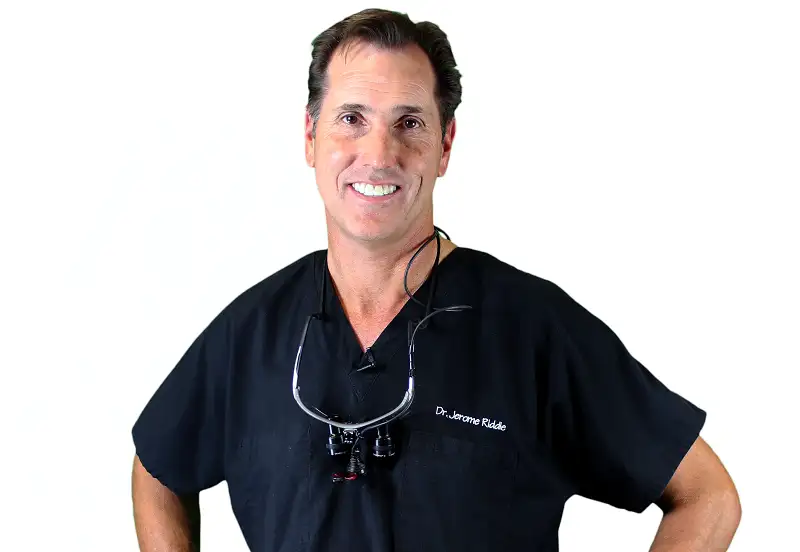 Dr. Jerome Riddle has been caring for patients in Scottsdale and Phoenix for more than twenty years. He earned his bachelor’s degree from Northern Arizona University, attended the University of Southern California School of Dentistry, and completed a General Practice Residency at UCLA and the VA hospitals. Dr. Jerome Riddle has been caring for patients in Scottsdale and Phoenix for more than twenty years. He earned his bachelor’s degree from Northern Arizona University, attended the University of Southern California School of Dentistry, and completed a General Practice Residency at UCLA and the VA hospitals.
Dr. Riddle grew up in Scottsdale and has deep ties to the community. His gentle approach, attention to detail, and commitment to personalized care help patients feel relaxed and confident throughout treatment. Whether you want a subtle enhancement or a more noticeable transformation, Dr. Riddle designs each plan with precision and genuine care.
Managing Anxiety and Emotional Comfort During Treatment
Dental anxiety is common, particularly when pain or uncertainty is involved. Root canal therapy today is far different from outdated perceptions and is designed with patient comfort in mind.
Patients often feel reassured by clear explanations, gentle pacing, and a calm clinical environment. Open communication with the dental team helps address fears, clarify each step of the process, and reduce emotional stress before and during treatment. Many patients report feeling relief—not fear—once treatment begins because the source of pain is being addressed.
Signs You May Need Root Canal Therapy—and Why Delaying Matters
Symptoms that may indicate the need for a root canal procedure include:
| • |
Persistent or Worsening Pain - Especially when chewing or applying pressure.
|
| • |
Prolonged Sensitivity - Lingering discomfort from hot or cold temperatures.
|
| • |
Swelling or Gum Tenderness - Sometimes accompanied by a small bump near the tooth.
|
| • |
Darkened Tooth Color - Often caused by internal damage or infection.
|
| • |
History of Trauma - Cracks or injuries that expose the pulp. |
Delaying treatment allows infection to spread deeper into the tooth and surrounding bone, increasing the risk of abscess, tooth loss, and the need for more complex procedures later.
Root Canal Procedure, Technology, and Complexity
Modern root canal treatment uses advanced diagnostic tools to improve accuracy and outcomes. Digital imaging helps identify the number, shape, and condition of tooth roots, including complex or multi-rooted teeth.
A typical procedure includes:
| 1. |
Comprehensive exam and digital X-rays to confirm diagnosis.
|
| 2. |
Local anesthesia to ensure comfort throughout treatment.
|
| 3. |
Careful removal of infected pulp and bacteria.
|
| 4. |
Thorough cleaning, shaping, and sealing of the canals.
|
| 5. |
Planning for final restoration, often a crown. |
General dentists routinely perform root canals, and most cases can be treated without referral. Situations involving unusually complex anatomy or retreatment may warrant specialist care, which is determined during evaluation.
Cost, Insurance, and Financial Considerations
The cost of a root canal in Phoenix or North Scottsdale varies based on the tooth involved, number of roots, and extent of infection. Front teeth generally cost less than molars due to simpler anatomy.
Dental insurance often provides partial coverage for root canal therapy, especially when treatment is medically necessary. Compared to extraction followed by implant or bridge placement, root canals are frequently the more cost-effective option while preserving the natural tooth structure.
Payment options, insurance coordination, and financial planning are typically reviewed before treatment so patients understand expectations clearly.
Root Canals for Different Patient Needs
Root canal treatment is appropriate for a wide range of patients, with considerations tailored to individual needs:
| • |
Children and Teens - Treatment decisions consider tooth development and long-term oral health.
|
| • |
Elderly Patients - Bone density, existing restorations, and medical history are carefully evaluated.
|
| • |
Patients with Disabilities or Medical Conditions - Appointments and techniques can be adapted for comfort, safety, and accessibility. |
Medical conditions, medications, and lifestyle factors such as smoking are reviewed in advance, as they may influence healing and recovery timelines.
Recovery, Aftercare, and Returning to Daily Life
Most patients return to work or school the same day as a root canal procedure. Mild soreness is common for a short period and typically managed with over-the-counter medication.
Post-treatment care includes:
| • |
Normal Oral Hygiene - Gentle brushing and flossing around the treated area.
|
| • |
Temporary Diet Adjustments - Avoiding hard or sticky foods until final restoration is placed.
|
| • |
Crown Placement - Protects the tooth from fracture and restores full function. |
Long-term maintenance involves routine dental visits and consistent oral hygiene, allowing the treated tooth to function like any other natural tooth.
What If Problems Occur After a Root Canal?
Root canals have a high success rate, but complications can occur in rare cases. Signs to watch for include persistent pain, swelling, or sensitivity that does not improve over time.
A tooth without a crown is more vulnerable to cracking, particularly molars. If pain returns months or years later, retreatment or additional procedures may be considered. Early evaluation helps prevent minor concerns from becoming major issues.
FAQs
Can I go back to work the same day as a root canal?
Most patients are able to return to normal activities, including work or school, the same day. Some prefer to rest if the tooth was severely infected.
What happens if I don’t get a crown after a root canal?
Without a crown, the treated tooth is more likely to fracture over time. Crowns help protect the tooth and extend the lifespan of the root canal.
Do root canals always work?
Root canals are highly successful when properly performed and maintained. Regular dental visits and good oral hygiene play a key role in long-term success.
How should I care for my tooth long term?
Continue brushing, flossing, and attending routine dental checkups. Once restored, the tooth can function normally with no special daily care required.
Start Your Personalized Root Canal Care
Root canal treatment is a precise, restorative process focused on relieving pain, stopping infection, and preserving your natural tooth. At Jerome Riddle DDS, our dental team takes the time to understand your symptoms, concerns, and comfort needs, guiding you through each step of root canal therapy with clarity and care.
Whether you are experiencing persistent tooth pain, sensitivity, or have been advised that a root canal may be necessary, our team is here to help you move forward with confidence.
Call 480-991-4410 to schedule your consultation and take the next step toward lasting relief and long-term oral health. |