Bad Breath Treatment
Phoenix & North Scottsdale
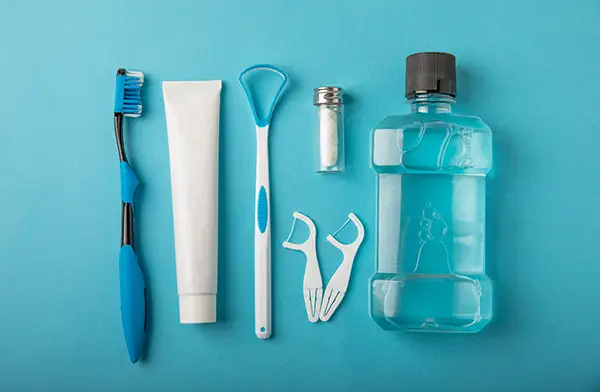 Bad breath that survives brushing, flossing, and mouthwash is a symptom with a findable cause, and bad breath treatment in Phoenix, AZ at Jerome Riddle DDS starts by finding it. Most chronic bad breath begins in the mouth, which is convenient, because the mouth is somewhere we can actually go looking. The rest begins elsewhere, and that is worth knowing before you spend another year on mints. Bad breath that survives brushing, flossing, and mouthwash is a symptom with a findable cause, and bad breath treatment in Phoenix, AZ at Jerome Riddle DDS starts by finding it. Most chronic bad breath begins in the mouth, which is convenient, because the mouth is somewhere we can actually go looking. The rest begins elsewhere, and that is worth knowing before you spend another year on mints.
The odor comes from sulfur compounds that certain bacteria release as they break down proteins. Those bacteria live in low-oxygen places: the deep grooves toward the back of the tongue, the pockets between gum and tooth, the hollow of a cavity nobody has found yet. Surface rinsing reaches none of them. That is why a stronger mouthwash keeps not working.
Treat this page as a diagnostic map rather than a pitch. The largest share of these cases land in periodontal care, though not all of them do, and a useful appointment includes telling you plainly when the answer is not a dental one.
On This Page
What Actually Causes Bad Breath
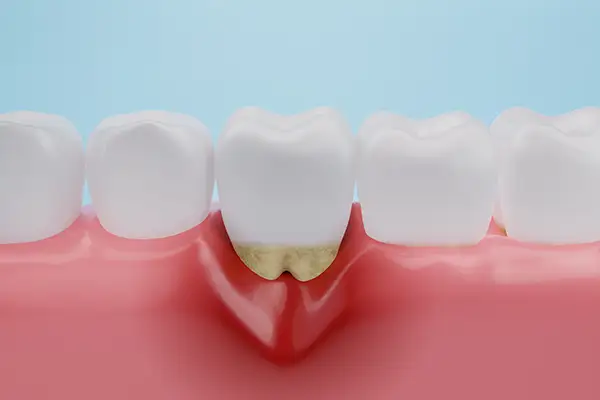 Gum disease is the most common dental source, and it is the one people least expect. A periodontal pocket is a warm, low-oxygen space packed with precisely the bacteria that produce sulfur compounds, and the deeper the pocket the more of them it holds. For plenty of patients, odor is the symptom that brings them in well before bleeding or looseness would have, which is the reverse of how bleeding gums treatment usually begins. Gum disease is the most common dental source, and it is the one people least expect. A periodontal pocket is a warm, low-oxygen space packed with precisely the bacteria that produce sulfur compounds, and the deeper the pocket the more of them it holds. For plenty of patients, odor is the symptom that brings them in well before bleeding or looseness would have, which is the reverse of how bleeding gums treatment usually begins.
The Causes We Can Treat
Six dental sources cover most of what we see:
- Periodontal pockets – Deeper spaces below the gumline that a toothbrush cannot enter and that hold bacteria continuously.
- Tongue coating – The rough surface toward the back of the tongue traps debris and bacteria, and it is the single most overlooked reservoir.
- Untreated decay – A cavity is a sheltered hollow where food sits and bacteria multiply, which is one reason we look hard for tooth decay before assuming the gums are at fault.
- Dry mouth – Saliva rinses and buffers constantly, so anything that reduces it, including many common prescriptions, lets bacteria run unchecked.
- Food traps and failing restorations – A worn contact between two teeth, a leaking filling edge, or a bridge that is no longer sealing all collect debris the same way.
- Tobacco – It contributes odor directly, dries the mouth, and accelerates the gum disease already producing odor of its own.
A seventh belongs on that list, though it usually announces itself with more than odor. A distinctly foul taste with drainage points toward tooth infection treatment and should not wait for a routine appointment.
The Causes That Belong With Your Physician
Some breath problems are not dental, and treating them dentally wastes your time and your money. Chronic sinus drainage and postnasal drip, tonsil stones, reflux, uncontrolled diabetes, and certain liver and kidney conditions all produce odor by different mechanisms. So do some medications, and so do very low-carbohydrate diets, which produce a distinct sweetish smell that no cleaning affects.
The tell is usually consistency. Odor that improves noticeably after a cleaning and returns as plaque rebuilds is dental. Odor that does not budge at all after we have treated everything findable in your mouth is a signal to look elsewhere, and at that point we will say so and suggest you take it to your physician.
Your Gum Health Team in Phoenix
Dr. Jerome Riddle’s stated approach is to examine and diagnose each patient comprehensively, and odor is a condition that punishes shortcuts. Odor has at least a dozen plausible sources, several of which look fine on a quick visual pass. His credentials trace back through Northern Arizona University, then USC dental school, then a hospital-based residency at UCLA and the VA. The sequence is on his bio page.
Twenty-plus years in this area also means he has watched what actually resolves these cases. It is rarely one dramatic intervention. It is more often a deeper cleaning than you have had before, one restoration nobody had caught, and a change to how you handle the back third of your tongue.
Dr. Eric Johnston, a 2017 graduate of Loma Linda University School of Dentistry, works the same problem from the restorative side, since worn contacts and aging fillings are quiet contributors that patients almost never suspect. His bio page covers his background.
How We Find the Source
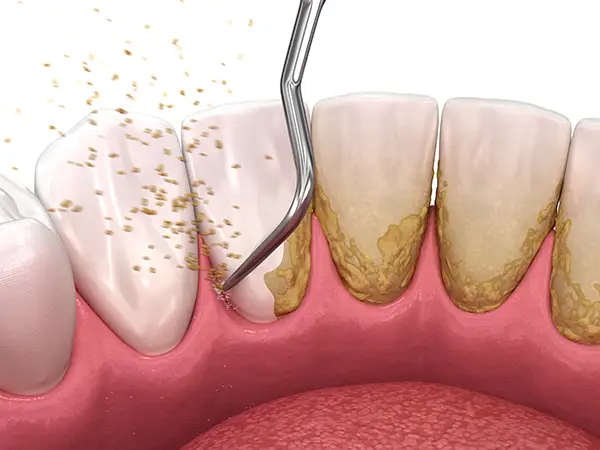 Nobody sniffs at you. The evaluation is mechanical: we go looking for the places bacteria can hide, and we measure them. Nobody sniffs at you. The evaluation is mechanical: we go looking for the places bacteria can hide, and we measure them.
The Examination
A periodontal probe walks around each tooth recording pocket depth, which tells us how much sheltered space exists below the gumline and where. We check every existing filling, crown, and bridge margin for leakage or an open contact. We look at the tongue surface, which surprises people more than it should. On the biting surfaces of back teeth we use the Diagnodent laser to catch decay sitting in grooves before it is visible, and we review your medication list, because dry mouth is a side effect of far more prescriptions than most patients realize.
Where Treatment Goes
The route follows the finding rather than a standard protocol. Odor from plaque and shallow inflammation resolves with a dental cleaning and a corrected home routine, and it resolves fast. Once pockets reach four millimeters, the bacteria generating the smell are living on root surface that no polish can touch, and the answer is a deep cleaning that works below the gumline. Decay gets a dental filling or a crown depending on how much tooth remains. Dry mouth gets managed rather than cured, usually through a saliva-supporting routine and a conversation with whoever prescribes the medication involved.
Tongue care is the piece patients most often get wrong, and it is free. We will show you the technique at the appointment, because describing it in writing is far less useful than sixty seconds with a mirror. The same goes for the flossing method that actually clears a contact, which our oral hygiene page goes into further.
What Changes After Treatment
The breath itself is the obvious win, and it is not the only one. Everything on the treatable list above is also doing damage while it produces odor, so removing the odor and removing the damage happen to be the same job.
| • |
You stop managing it socially - No more counting mints before a meeting, no more angling away from people mid-conversation.
|
| • |
The gum disease behind it gets treated - Pockets that were producing odor were also quietly costing you bone.
|
| • |
Cavities get found early - A cavity caught while it is still a filling is a very different appointment than one caught later.
|
| • |
Your partner stops being the messenger - Nobody enjoys either side of that conversation, and resolving the cause ends it.
|
| • |
You get an actual answer - Even in the cases that turn out not to be dental, you leave knowing what to chase next instead of guessing. |
Timing varies by cause, and the spread is wide. The tongue and the plaque respond almost immediately. Deep pockets take weeks, because the tissue has to heal before the space closes. A failing restoration is fixed the moment it is replaced.
Why Phoenix Patients Bring This to Us
We treat this as a diagnostic problem, which sounds obvious and frequently is not. Pocket depths, restoration margins, saliva flow, and tongue surface are four separate findings with four different treatments behind them. Without the measurements, the recommendation is a guess dressed as a plan.
Our intraoral camera earns its place here. Seeing the leaking margin or the tartar ledge on a screen changes the conversation from a claim into an observation you can check yourself. The office also keeps a soft tissue laser, which we use in periodontal treatment to remove infected gum lining so healthy tissue can regenerate.
For patients who use tobacco, the appointment does double duty. Smoking drives gum disease, and it is also a documented risk factor for oral cancer, so we run an oral cancer screening during the same visit rather than booking it separately.
We also do not oversell it. If your breath is not coming from your mouth, no amount of dental treatment will change it, and we would rather tell you that in the first visit than in the fourth. The office sits in the 85054 zip at 7010 E. Chauncey Ln. Suite #140, where Phoenix meets North Scottsdale.
Bad Breath Treatment Cost and Insurance
Cost matters, and there is no single fee here, because there is no single treatment. What you pay tracks what we find. An exam plus a routine cleaning sits at the low end. A full-mouth deep cleaning across multiple quadrants sits considerably higher, and replacing two failing restorations lands somewhere else again.
The exam is the part worth doing regardless. It is what converts an open-ended problem into a specific one with a specific price attached, and you will have a written estimate before anything beyond the exam happens.
Insurance follows the same split. Routine cleanings and exams are usually covered at a high percentage, deep cleaning falls under periodontal benefits with different coverage and often a frequency limit, and restorative work sits in a third category. We work with Aetna, Cigna, Delta Dental, and MetLife among others, and our financial and insurance page has the current list. If the plan we land on costs more than your benefits will absorb this year, payment plans are available. Call 480-991-4410 and our front office can check your coverage before you come in.
Schedule Your Evaluation
Bad breath that has outlasted every product on the shelf deserves someone actually looking. Call 480-991-4410 and we will start by measuring rather than guessing. We are at 7010 E. Chauncey Ln. Suite #140 in Phoenix, AZ 85054. If you would rather not call, our Request an Appointment page does the same job. Hours and directions live on our Contact page.
Frequently Asked Questions
Why does my breath still smell right after I brush?
Because a toothbrush only reaches a fraction of the surfaces in your mouth. Teeth are the part a brush reaches; the tongue, the spaces below the gumline, and the contacts between teeth are not. If odor returns within an hour of brushing, the source is almost always one of those three, and the fix is finding which one rather than brushing harder.
Can I check my own breath reliably?
No, and that is a physiological limit rather than a personal failing. You adapt to constant smells within minutes, including your own, so cupping your hands and breathing into them tells you nothing. Licking the back of your wrist, letting it dry, and smelling it is a rough workaround. A trusted person answering honestly is better, and a clinical exam is better still.
Does mouthwash actually fix bad breath?
It masks it for roughly as long as the flavoring lasts. The bacteria producing the odor sit in places a rinse does not penetrate, so nothing about the source changes. Worth knowing: high-alcohol rinses dry the mouth, and a dry mouth produces more odor, so the strongest-tasting option on the shelf can leave you slightly worse off by the afternoon.
Should I be scraping my tongue?
For most people with persistent odor, yes, and the technique matters more than the tool. Reach farther back than feels natural, since the front third of the tongue is rarely the problem, and pull forward with light pressure rather than scrubbing. A scraper works better than a brush. Do it once daily rather than repeatedly, because irritated tissue is its own problem.
Can a medication I am taking cause bad breath?
Indirectly, and it is common. Hundreds of prescriptions reduce saliva as a side effect, including many blood pressure medications, antihistamines, antidepressants, and diuretics. Less saliva means less continuous rinsing, and odor follows. Bring your medication list to the appointment. We will not tell you to stop anything, but knowing what is in the mix changes what we recommend for managing it.
Can dentures or a bridge cause bad breath?
Yes, and it is one of the more fixable versions. Appliance surfaces hold a bacterial film the same way teeth do, and the underside of a partial or the space beneath a bridge is easy to miss. A poor fit makes it worse by creating a gap that traps food. If you wear dentures, bring them to the appointment so we can check the fit and the cleaning routine together.
Does dental insurance cover bad breath treatment in Phoenix?
Insurance covers the treatments, not the symptom, which works in your favor here. There is no billing code for odor, so what gets submitted is the exam, the cleaning, the deep cleaning, or the restoration, each covered on its normal terms. One thing to check before you book: deep cleaning usually carries a frequency limit, so if you have had one recently the timing may affect what your plan pays.
How long until my breath improves after treatment?
It depends on which cause you had, and the range is wide. Plaque and tongue coating improve within a day or two of the appointment. Gum tissue treated with a deep cleaning keeps tightening for several weeks, so the improvement is gradual rather than immediate. A replaced restoration is instant. If nothing has changed a month after we treated everything we found, that is the point where Jerome Riddle DDS starts pointing you toward a medical cause instead.
|